Renewable Energy Innovations: Powering the Future
Discover breakthrough innovations in renewable energy that are helping create a more sustainable future for our planet.
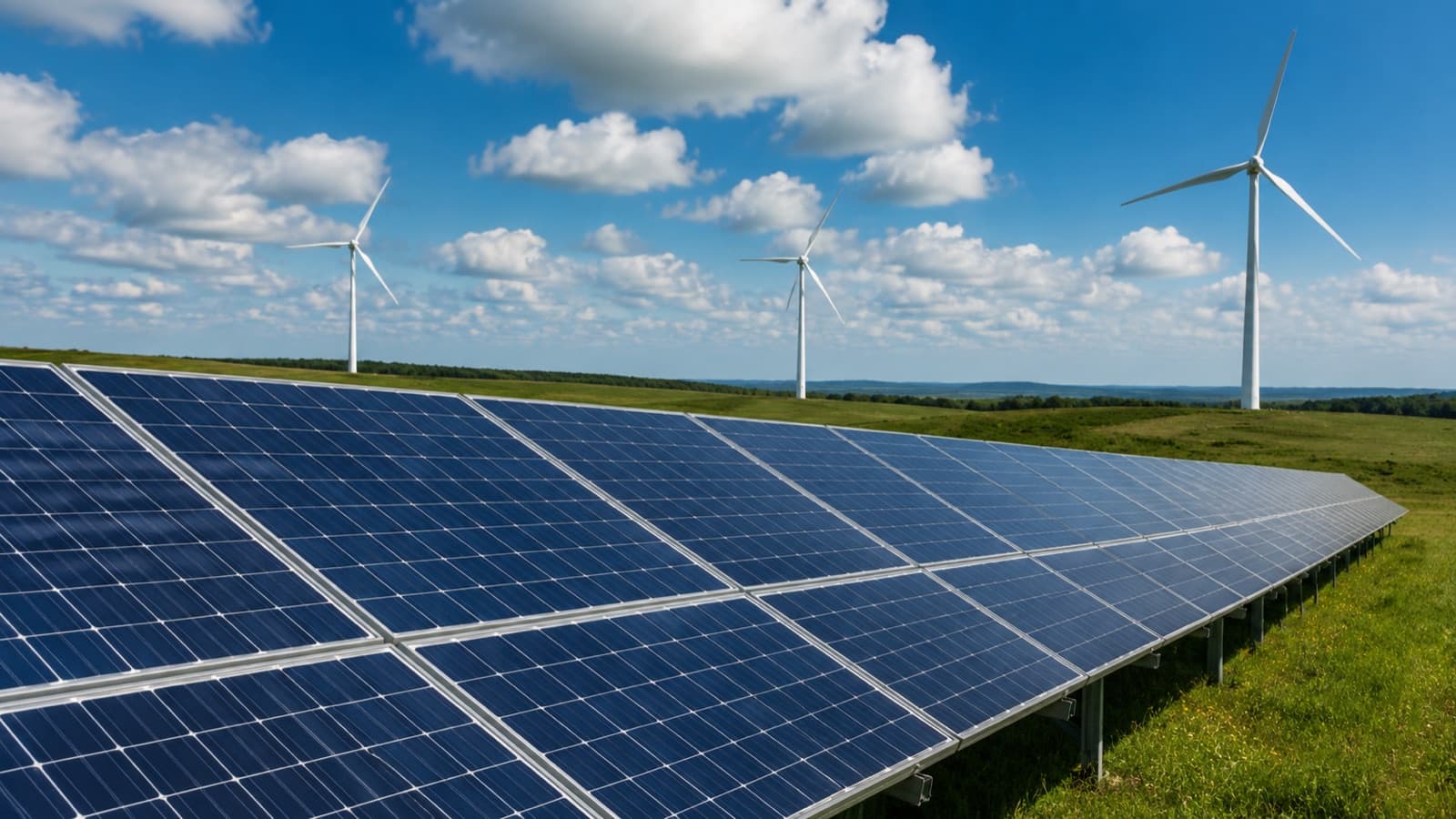
Renewables stopped being an argument about ideals somewhere around the point they became the cheapest new power in most of the world. The argument now is about timing: how to run a grid on something that arrives when the weather says so.
The cost curve did the work
Solar modules have fallen in price by more than ninety per cent since 2010, and onshore wind by around seventy. Nothing in energy has ever moved that way, and it happened because manufacturing scale compounds in a way that fuel extraction does not.
That is why the conversation changed character. Nobody is arguing that a wind farm is expensive any more. They are arguing about what happens at eight on a still January evening.
The four problems that are actually left
- Storing more than four hours. Lithium handles an evening well and a windless week badly. The gap between those two is where most of the research money is.
- Getting the power to where people are. The best wind is rarely near the biggest demand, and a transmission line takes longer to permit than the farm it serves.
- Heat, not electricity. Industrial heat and winter heating are a larger share of energy use than the grid, and much harder to electrify.
- A market that pays for being available. Prices built around fuel cost break when the fuel is free. Redesigning them is a policy problem with an engineering deadline.
What is quietly working
Rooftop solar paired with a home battery has turned into a normal consumer purchase in several markets, which is a change of category rather than of degree: it makes households participants in supply rather than only in demand.
Grid-scale batteries have also turned out to be better at stabilising frequency than the plants they replaced, which was not the argument anybody made for building them.
How to read the announcements
Capacity is what gets announced; generation is what matters. A gigawatt of solar and a gigawatt of gas do not produce the same number of hours, and press releases rarely say which figure they are quoting.
When you see a number, ask over what period and against what baseline. Most of the disagreement in this field is two people quoting true figures measured differently.