Wearable Technology: The Future of Personal Computing
Explore the latest trends in wearable technology and how they're transforming the way we interact with digital devices.
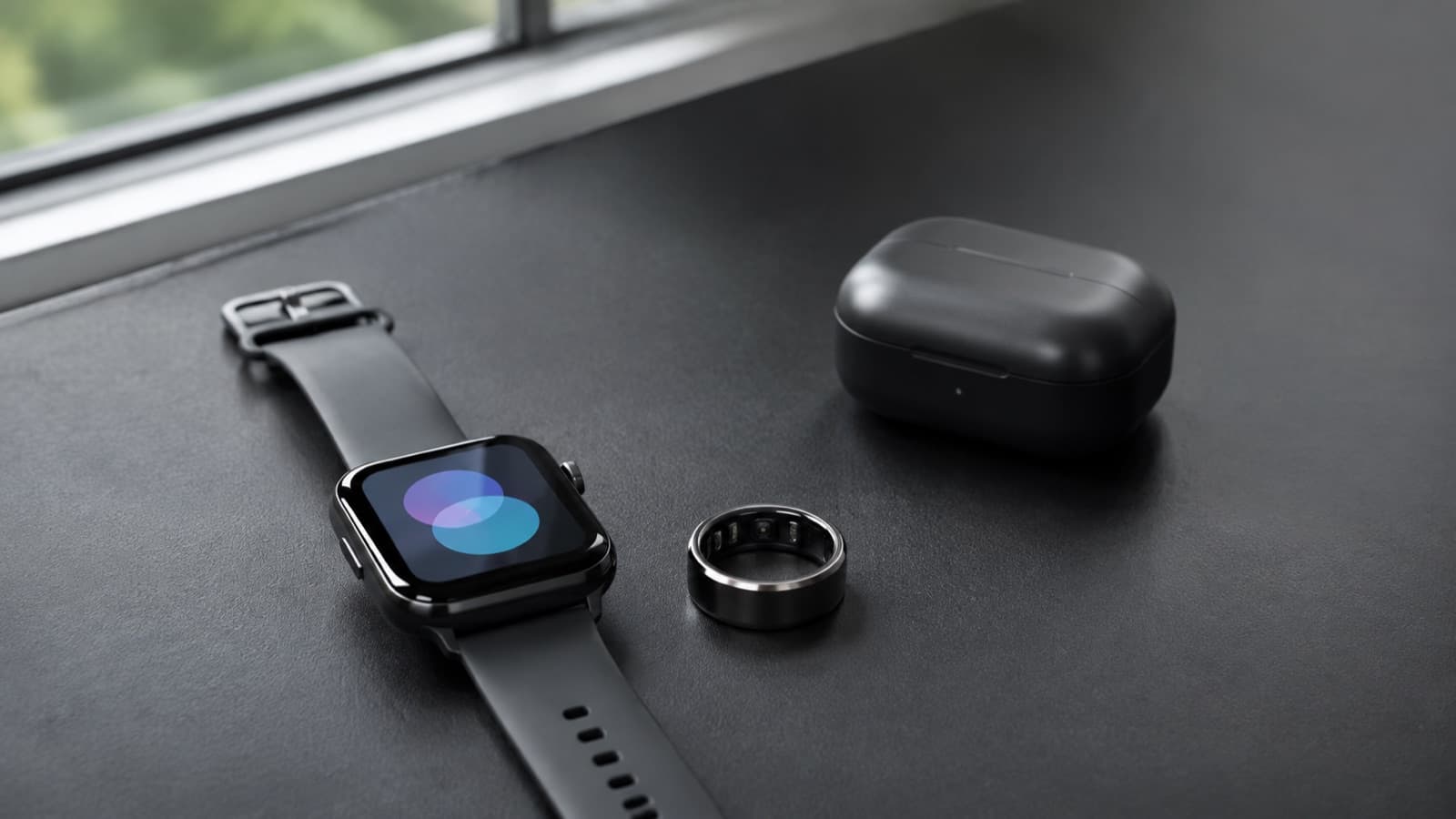
Wearables spent a decade being a screen strapped to a wrist. The interesting shift is that the best of them are becoming sensors that happen to have a screen, and a sensor changes what the category is for.
From notifications to measurement
The first generation solved a problem nobody had: reading a message without taking out a phone. The current one measures things a person could not otherwise know — sleep stages, heart rate variability, blood oxygen — and that is a genuinely new capability rather than a convenience.
Measurement changes the relationship. A notification device competes with a phone. A measurement device competes with not knowing, which is a much weaker opponent.
What has to be true for one to be useful
- It is worn while asleep. Most of the interesting signal is nocturnal. A device that comes off at night measures the least informative two thirds of the day.
- The battery lasts longer than the habit. A daily charge is a daily chance to stop wearing it, and most people take that chance within a month.
- It says what to do, not only what happened. A number with no action attached gets read twice and then ignored.
- The data leaves when you do. Anything measuring a body should let its owner export and delete the record. That is a product requirement, not a policy question.
Where the accuracy actually stands
Heart rate at rest is reliable. Step counts are close enough. Sleep staging is an estimate that is right about the shape of a night and often wrong about its parts, and calorie burn remains the least trustworthy figure on the screen.
None of that makes the devices useless. It makes them instruments for tracking your own trend, rather than for comparing your number against somebody else’s.
What comes next
The pressure is toward fewer screens: rings, patches, earbuds that measure while doing something else. Each removes the thing that made a watch feel like an obligation.
The open question is regulation. As soon as a consumer device detects a condition rather than reporting a metric, it stops being an accessory and starts being a medical claim, and the industry has not settled where that line sits.